Hoping that Bulacan cuisine receives the recognition it deserves and becomes a bigger part of Philippine popular food culture.
As a Bulakenyo who grew up in Metro Manila, I've recently fallen in love with Filipino food, and through food heritage advocacy groups like FEATR and Lokalpedia, and major media outlets like GMA and ABS-CBN, I've come to learn more about Bulacan's rich culinary heritage.
Even with so much content covering this province's cherished snacks and traditional dishes (as far as I know, Bulacan is among the provinces most often covered by FEATR), I feel that Bulacan cuisine remains relatively unknown in mainstream Philippine food culture compared to established food powerhouses such as Pampanga, Cebu, Iloilo, Negros Occidental, Ilocos, Bicol, and Batangas.
I'm truly happy to see each regional cuisine recognized for its distinct flavors, specialties, and food traditions. At the same time, I hope that someday Bulacan will receive similar recognition as a food heritage destination, not only as something often featured in historical documentaries or travel vlogs. Unfortunately, Bulacan cuisine does not seem to be promoted enough, and many Bulakenyos themselves often seem unfamiliar with their province's native dishes and traditional snacks.
Bulacan's food was shaped by fertile farmland, freshwater resources, and its proximity to Manila Bay. Its culinary traditions are built on abundant local ingredients such as rice, freshwater fish, and vegetables. The province is also famous for its traditional kakanin, rice-based snacks, pastries, and desserts, reflecting its long history of rice cultivation and confectionery tradition. Its food heritage has been enriched by Spanish colonial influences, the history of the revolution, local artistry, and family heirloom recipes passed down through generations.
From a PR perspective, Bulacan has been going through a difficult period in its image due to controversies surrounding flood control projects and ongoing problems with poor road conditions. But these issues should not overshadow the province's rich history, cultural heritage, and culinary traditions. Bulacan has much more to offer beyond news headlines, and its food culture deserves greater recognition.
From traditional sweets and kakanin to savory main dishes and family heirloom recipes, here are Bulacan's native dishes and traditional snacks that I hope more Filipinos will come to know and enjoy!
Pastries, Kakanin, and Desserts
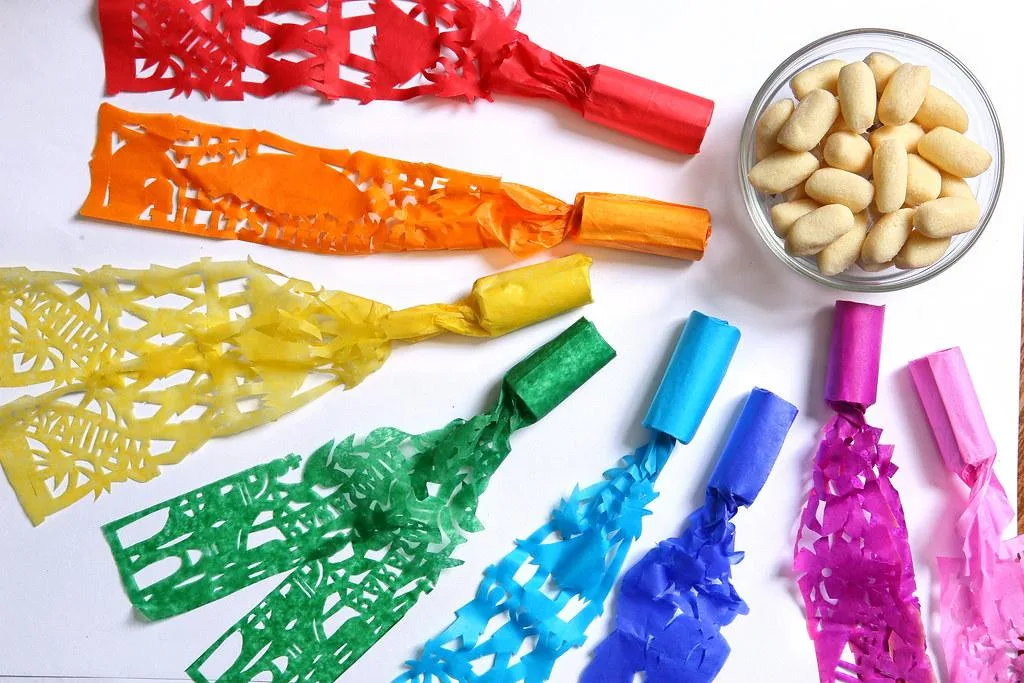
• Pastillas de Leche (with pabalat art) – Pastillas de Leche originated from milk candy that farmers in San Miguel, Bulacan, used to make at home with carabao or cow's milk and sugar. It is celebrated annually through the Pastillas Festival, held since 2006, which also showcases pabalat art, an intricate craft of cutting and decorating colorful papel de hapon wrappers, a tradition whose practitioners are steadily declining.
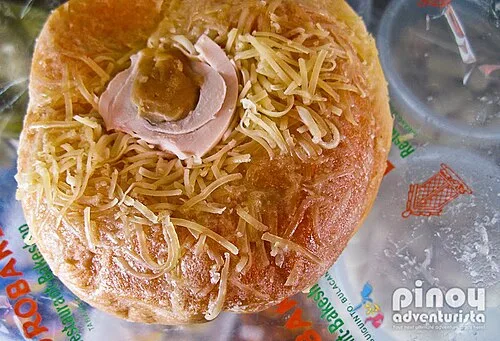
• Ensaymadang Malolos – Ensaymadang Malolos is usually a deeper color. It is topped with butter and cheese and a slice of salted duck egg. Eurobake never fails, but other bakeries also make delicious versions.
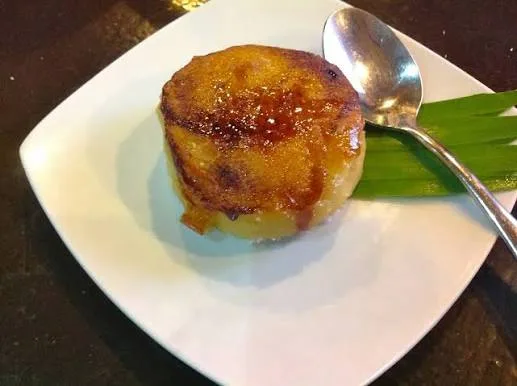
• Pinaso – A dessert similar to leche flan, made with egg yolks, milk, and crushed biscuits. Traditionally, the top is scorched with a heated iron spatula (plantsa), creating a caramelized, crispy crust that makes it much sweeter. Bistro Maloleño in Malolos Bayan serves this dish.
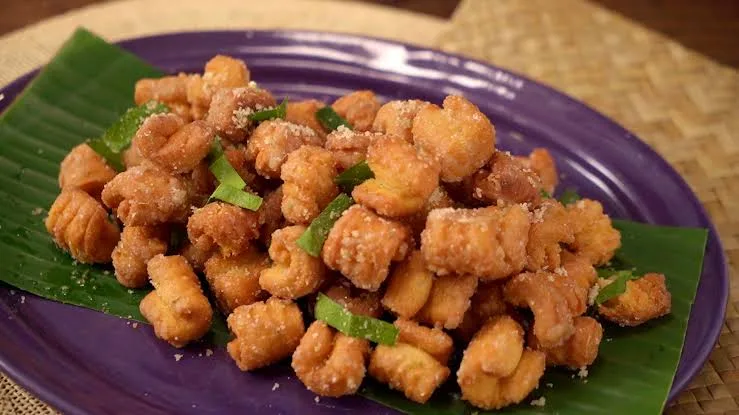
• Gurgurya/Gorgoria – A Malolos heirloom recipe, a crispy and glossy fried dough pastry. It is said to originate from the Alberta Uitangcoy-Santos family during the Spanish colonial period in the Philippines.
• Minasa – Traditionally, minasa is a dry biscuit made from arrowroot starch, and it takes three days just to extract the starch from the plant. Its surface is stamped with flower, leaf, and vine patterns using a wooden mold called a trohel. It can be bought at pasalubong shops across Bulacan.
• Rosalies Suman Pinipig – Suman pinipig is a soft, chewy kakanin made from pinipig, coconut milk, and sugar, wrapped in banana leaves and topped with latik. Rosalie's is the flagship, with its main branch in Marilao and several other branches within Bulacan.
• Empanada de Kaliskis – A traditional layered crispy pastry originating from Malolos, Bulacan, known for its distinctive crust resembling fish scales (kaliskis). It began in the 1820s. Mercys is the original shop in Malolos Bayan, while Catalinas Kitchen offers new variations on this heirloom food.
• Inipit – Inipit is a popular Filipino dessert made of two layers of sponge cake with a creamy custard filling. There are many versions, but the most common combination is plain vanilla sponge with mashed potato filling. It originated in Malolos City and was created by Salome P. De Ramos in the 1940s. Eurobake is excellent here too, but other bakeries are also good. Original Inipit >>>> Lemon Square
• Belekoy – A dessert made by mixing glutinous rice flour, brown sugar, water, apple juice, vanilla, and toasted sesame seeds. The rice flour is toasted together with the sesame seeds until both turn light brown.
• Diverse kakanin culture (Gorios and Mimis, Citangs, Puto Francia, and more)
Main Dishes
• Hamon Bulakenya – Malolos's Filipino-style ham, made by marinating pork in pineapple juice and beer, then glazed and served with a lightly burnt sugar topping. It is on the menu at Bistro Maloleño.
• Sinuso – A crispy fried pork mammary gland dish originating from Bocaue. To make sinuso, it must be cooked immediately after being cleaned or frozen right away, because the milk inside can spoil. This milk is what makes sinuso delicious, said to have a "buttery, milky, creamy" flavor. Ogoy's Sizzling & Tapsi serves this dish.
• Pancit Alanganin – Bocaue's unique pancit alanganin: a soupy pancit bihon with milk, vegetables, and chicharron. It can be eaten at Norys Restaurant in Bocaue.
• Chicken Pakam – A simple chicken and ginger dish from Malolos. It is eaten as ulam (a side dish), and sometimes as pulutan (drinking snacks).
• Serkele – A variant of dinuguan from Balibago, Bulacan, usually cooked with beef offal and beef blood in a salty, sour broth. Aling Luring's Goto and Serkele is the original restaurant for this dish. It is also popular in Cauayan, Isabela, where there is an Aling Luring branch.
• Asado de Carajay – Meat (pork, beef, or chicken) simmered with soy sauce, bay leaves, whole peppercorns, calamansi, onions, and various vegetables (usually tomatoes, potatoes, mushrooms, and carrots). It is traditionally cooked in a wok, which is how it got its name.
• Balisuso/Balisungsong/Talulo Rice – Balisungsong, also known as balisuso, is cone-shaped steamed rice wrapped in banana leaves. In Bulacan, it is usually served on special occasions such as birthdays, fiestas, and weddings.
• Longganisang Calumpit – Calumpit's signature garlicky longganisa. The town holds an annual Longganisang Calumpit Festival. It can be bought at several markets in Calumpit, Apalit, and Malolos.
• Bringhe ng Tagumpay – According to Bulacan food historians Ka Mila and Dez Bautista, bringhe was Bulacan's victory dish. During the Spanish era, it was customary to serve it whenever a battle was won. That is why this rice dish is called "Bringhe ng Tagumpay" (Bringhe of Victory).
• Nilagang Pasko – A variation of the classic nilaga, given a festive seasonal flavor, traditionally prepared as the centerpiece of celebratory gatherings during the Christmas season. This heirloom dish originated in Malolos, Bulacan, as food for household helpers and laborers. It was born from the scraps of meat and leftovers after homeowners had picked out the choice cuts…