
Between Desire and Class.
This February, while exploring the slums surrounding the Abakan River, the poverty I witnessed was so graphic that I returned to Candipallas, cranked up the air conditioning, and after pulling a can of Coke from the refrigerator, I pondered deeply.
Isn't this a situation that calls for an immediate revolution?
While the poverty of the slum dwellers is so severe, how extravagant is the Instagram feed of a senator's wife, and why is it so unnecessarily ostentatious?
In reality, the outbreak of revolution is more closely related to the price of bread than to a dictator's tyranny or the corruption of the ruling class.
The Arab Spring revolutions that swept across the Middle East in the early 2010s also had soaring bread prices as a backdrop.
Humans are selfish creatures, and it's when the price of bread they eat rises, rather than for political justification or ideology, that they are more likely to take to the streets. Noble concepts like ideology, fairness, and corruption are only things that can be considered once one's stomach is full.
From my perspective as a foreigner, the Philippines, which seems to have settled into a feudal class society, is currently experiencing soaring prices across the board. However, to prevent a revolution at all costs, the price of bread must be controlled, and upon closer inspection, the price is remarkably stable.
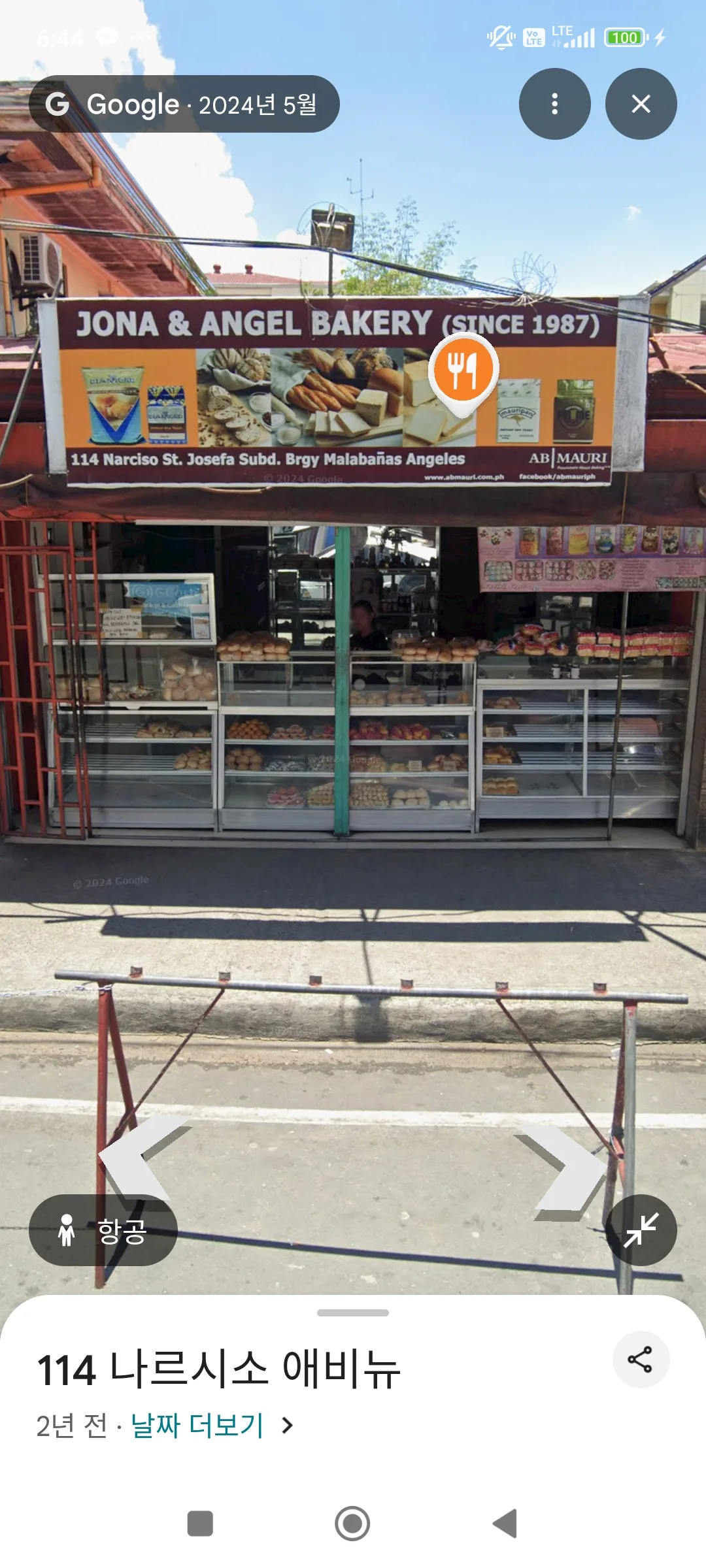
This is a bakery near my friend's house. It's next to Janas Burger.
Due to the nature of the Philippines, bakeries in the poor residential areas that spring up immediately outside of high-income housing complexes also sell Pandesal.
Pandesal is the national bread of the Philippines, meaning "salt bread."
It's common for Filipinos to start their morning with two or three of these breads and coffee. A single Pandesal costs 3 pesos, which is about 70 won.
Since a Filipino's daily earnings are around 500 pesos, or about 12,000 to 13,000 won, if they only work and eat Pandesal, they won't starve to death at least.
I felt a mix of fear and admiration at the creation of such an intricate social system that, while squeezing every last peso from the poor, ensures they won't starve to death as long as they work.
Of course, since they import flour, they will stabilize the price of flour by lowering tariffs, or in the worst case, by releasing government reserves or providing subsidies.
Next is rice. It usually costs about 60 pesos, or 1,500 won, per kilogram. This is enough for 5-6 servings if you cook rice.
The Philippines has a rice culture, not a side dish culture.
In other words, for the poor, a typical meal consists of eating two bowls of rice in Korea with just one piece of chicken.
Even with soaring rice prices, if you consider cooking at home, a meal with one piece of chicken and a portion of rice doesn't exceed 1,000 won. As long as they can earn minimum wage, they won't starve to death.
A haircut near Janas Burger, where my friend often goes, costs 2,500 won (100 pesos). However,