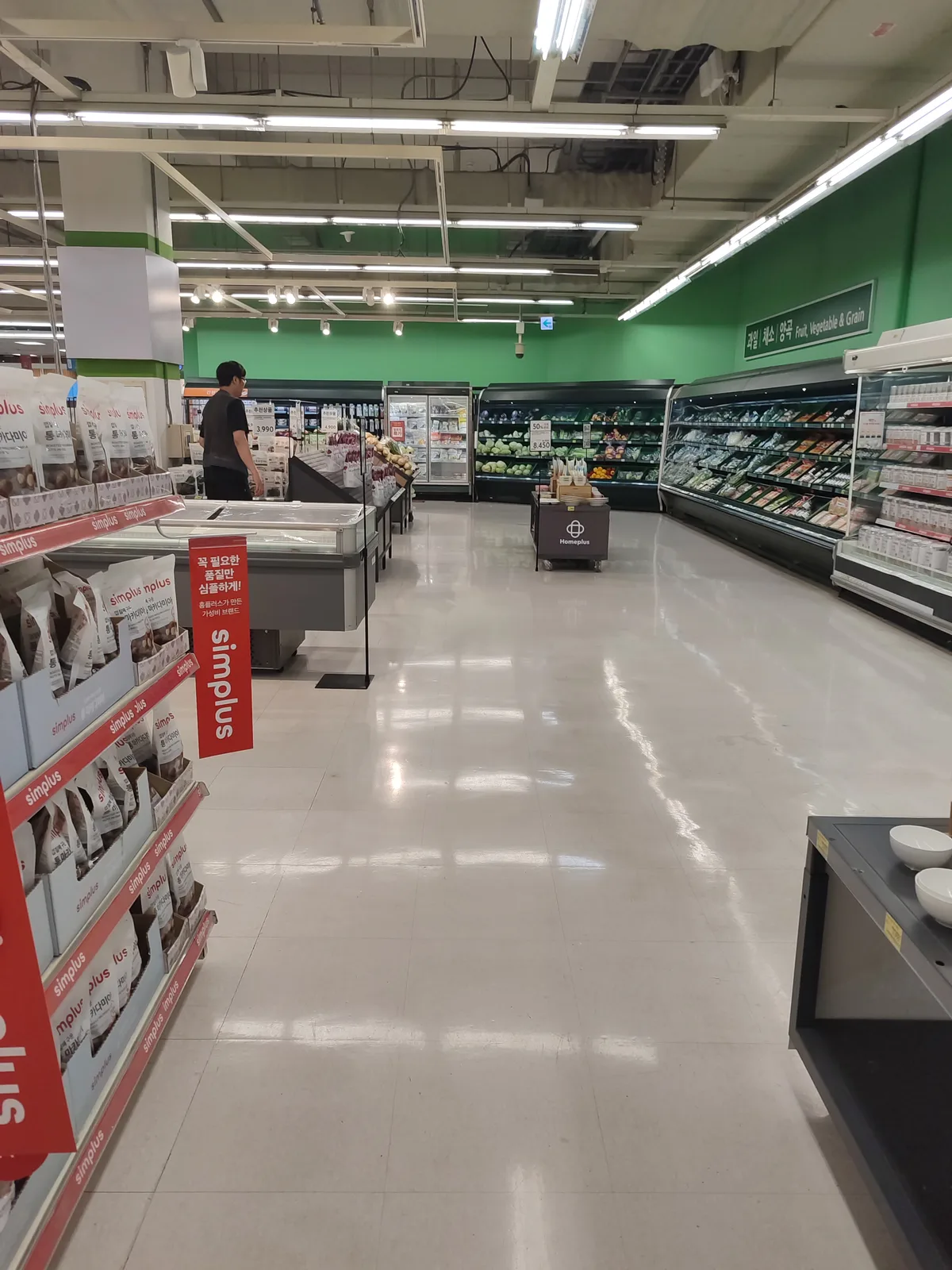

Homeplus: The End Times.
I visited Homeplus yesterday after a long time. The parking lot, which used to be packed with cars on weekends and weekdays alike, was eerily empty. The memory of struggling to find a parking spot was still vivid, but now I could park anywhere I wanted. From that moment on, a strange premonition washed over me.
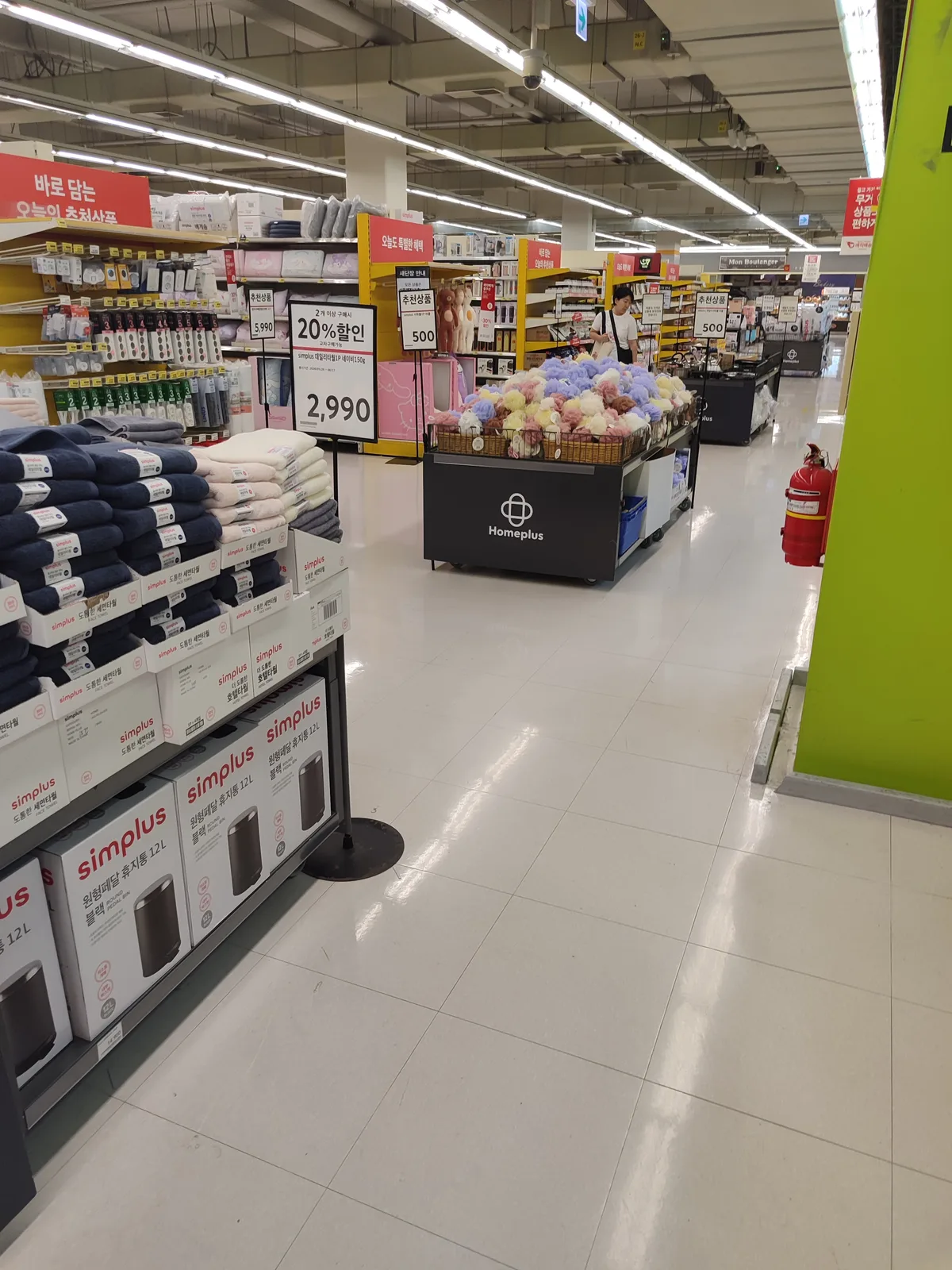
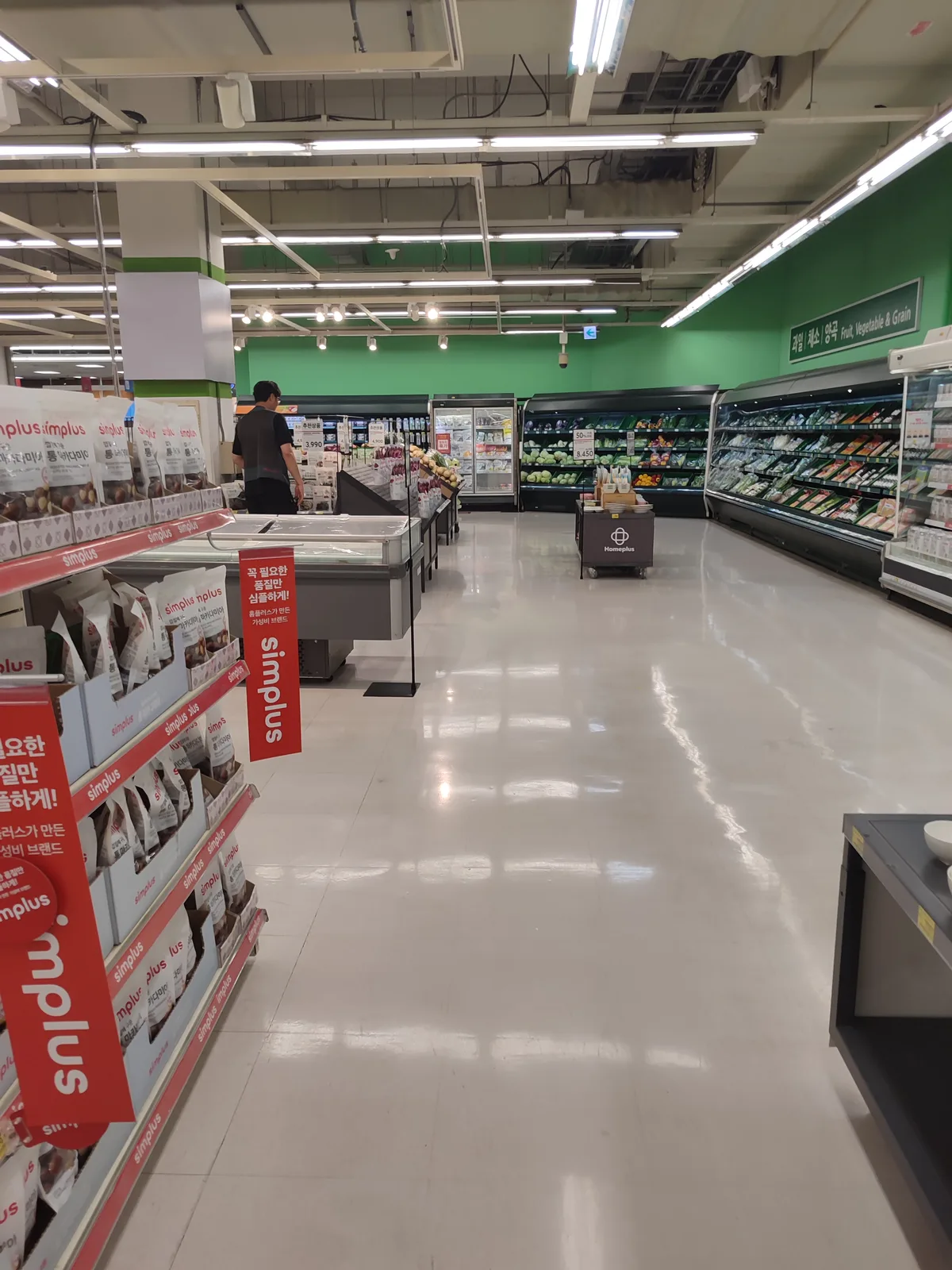
As I stepped inside, I knew my premonition was correct. The space, which should have been filled with the sounds of footsteps and shopping carts, was quiet. There were more empty aisles than customers. It felt like walking through the ruins of a city that had lost its vitality.
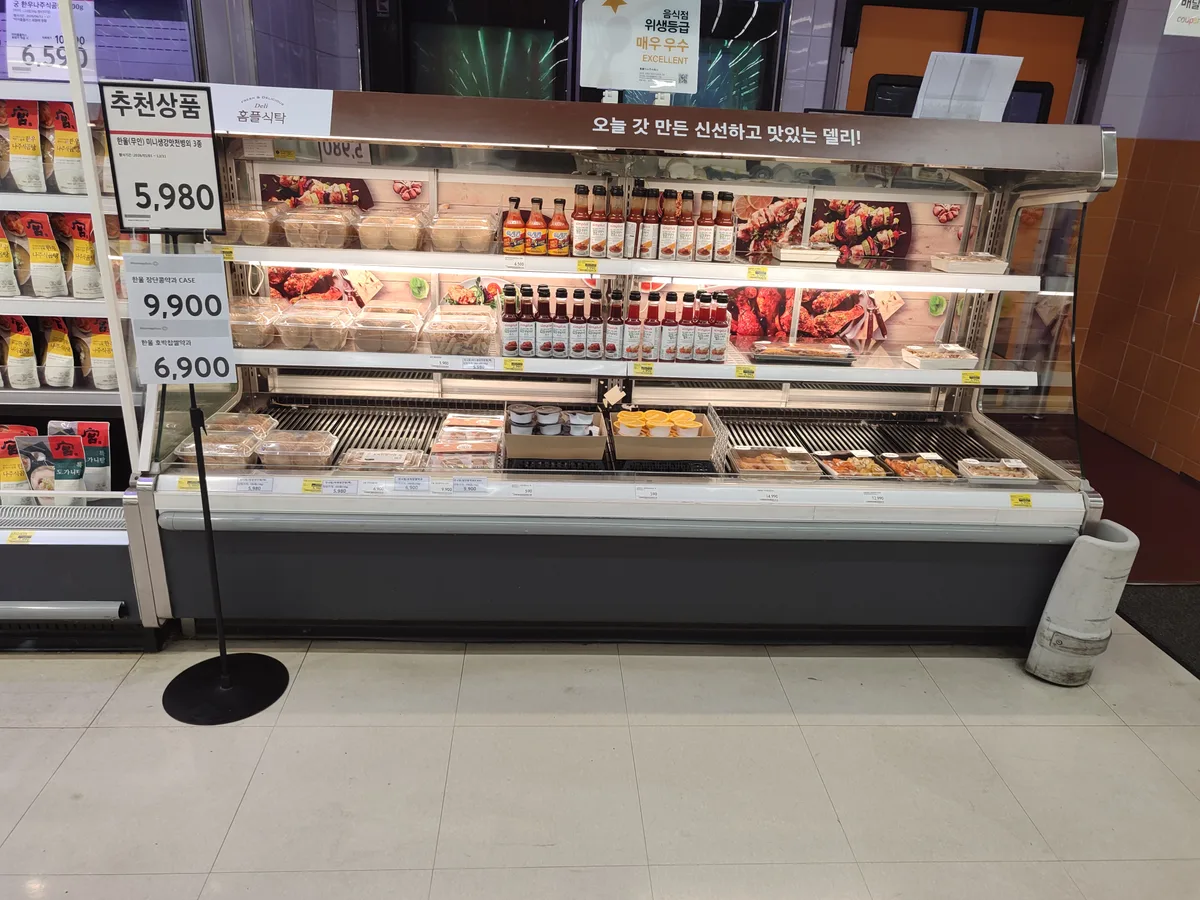
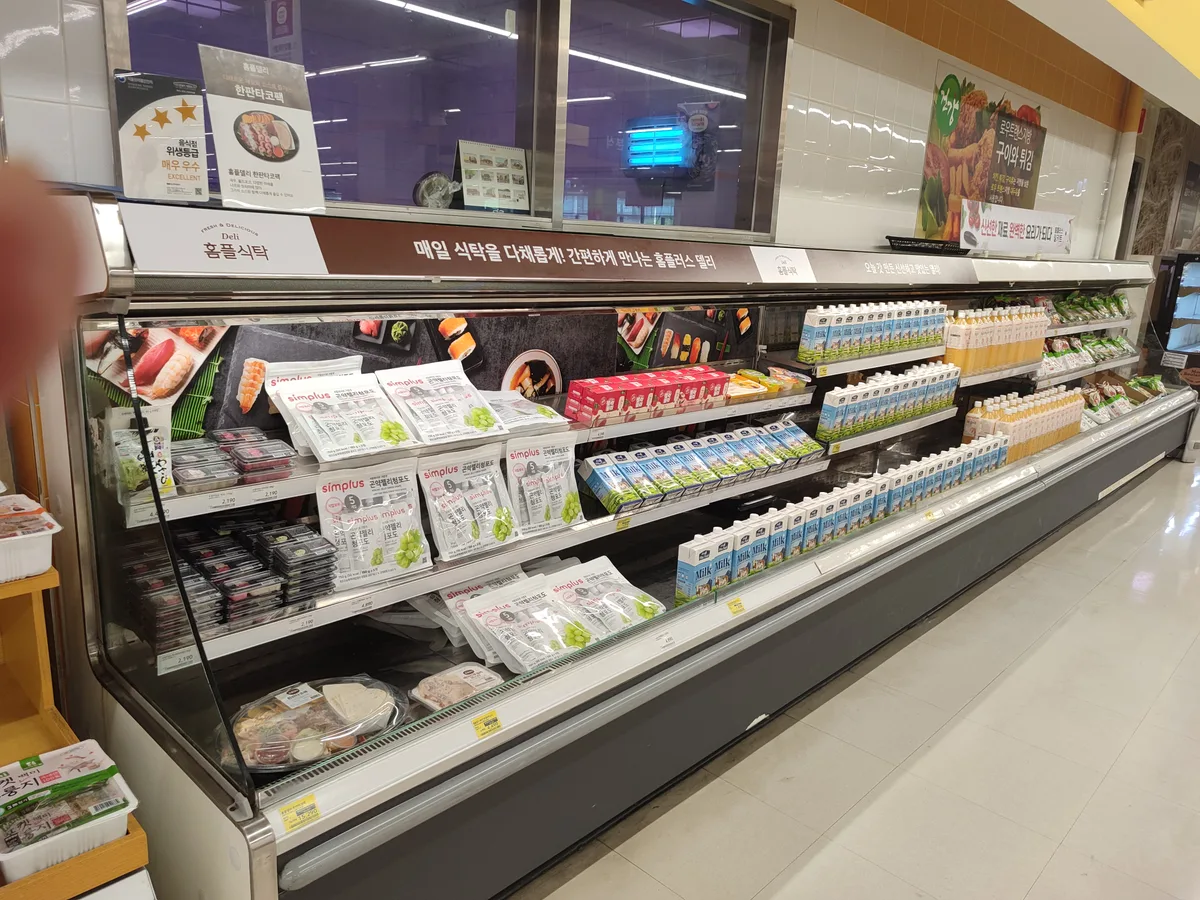
What was most shocking was the grocery section. I believe the heart of a large supermarket is its food section. It's where fresh produce, processed foods, and countless branded products should be displayed. But instead of food, other items like kitchenware, cosmetics, bedding, and clothing occupied the shelves. They seemed to have been hastily placed to fill the void. It was an awkward and unfamiliar sight for someone who came to buy groceries.
In that vast space, only a few products from major corporations like Nongshim offered a faint hint that "this was originally a supermarket that sold food." Even those seemed like the last survivors. In the past, numerous brands competed for shelf space, but now there was very little left.
There were also things that were no longer visible: the discount zone where items nearing their expiration date were sold cheaply. I used to enjoy browsing that section. There was a small joy in discovering unexpected items at a bargain, and sometimes I would even visit specifically to buy those discounted goods. But now, even that space was gone. The disappearance of the discount zone felt not just like the closure of a corner, but a signal that the supermarket's vitality was draining away.
I wandered around for a long time, but there was nothing I wanted to buy. To be precise, there was nothing to buy. In the end, all I had was a bag of snacks. The fact that my extensive tour of the large store resulted in just one bag of snacks felt strangely bittersweet.
As I walked towards the checkout, a weight settled in my heart. After paying, I cautiously asked the cashier.
"Are you closing down soon?"
The employee didn't say anything. After a brief silence, they simply nodded.
That brief gesture lingered strangely. There were no explanations, no complaints, no excuses. Just a nod. It was like the gesture of someone who had accepted a fate that was decided long ago.
On my way home, I suddenly thought, the reason I felt sad wasn't just because a supermarket was disappearing. It was because my past was also there. Memories of grocery shopping with my parents when I was young, memories of searching for discounted items, the bustling scene of holiday preparations, the crowded checkout counters. All those ordinary moments had somehow become memories.
Someday, on the last day of business, the sign will be removed, the shelves will be emptied, and the building will be repurposed or disappear. Years from now, people passing by might not even know that Homeplus was ever there.
The empty parking lot and quiet store I saw yesterday were not just a scene of poor sales. It was the quiet curtain call of an era. And I felt like an accidental audience member who had witnessed those final moments. Perhaps that's why my steps felt so heavy as I left with a bag of snacks. The disappearance of a place isn't just about a building vanishing; it's about the countless memories and times accumulated in that space fading away. That's why yesterday's Homeplus wasn't just an empty store, but looked like an old friend slowly preparing to say goodbye.