
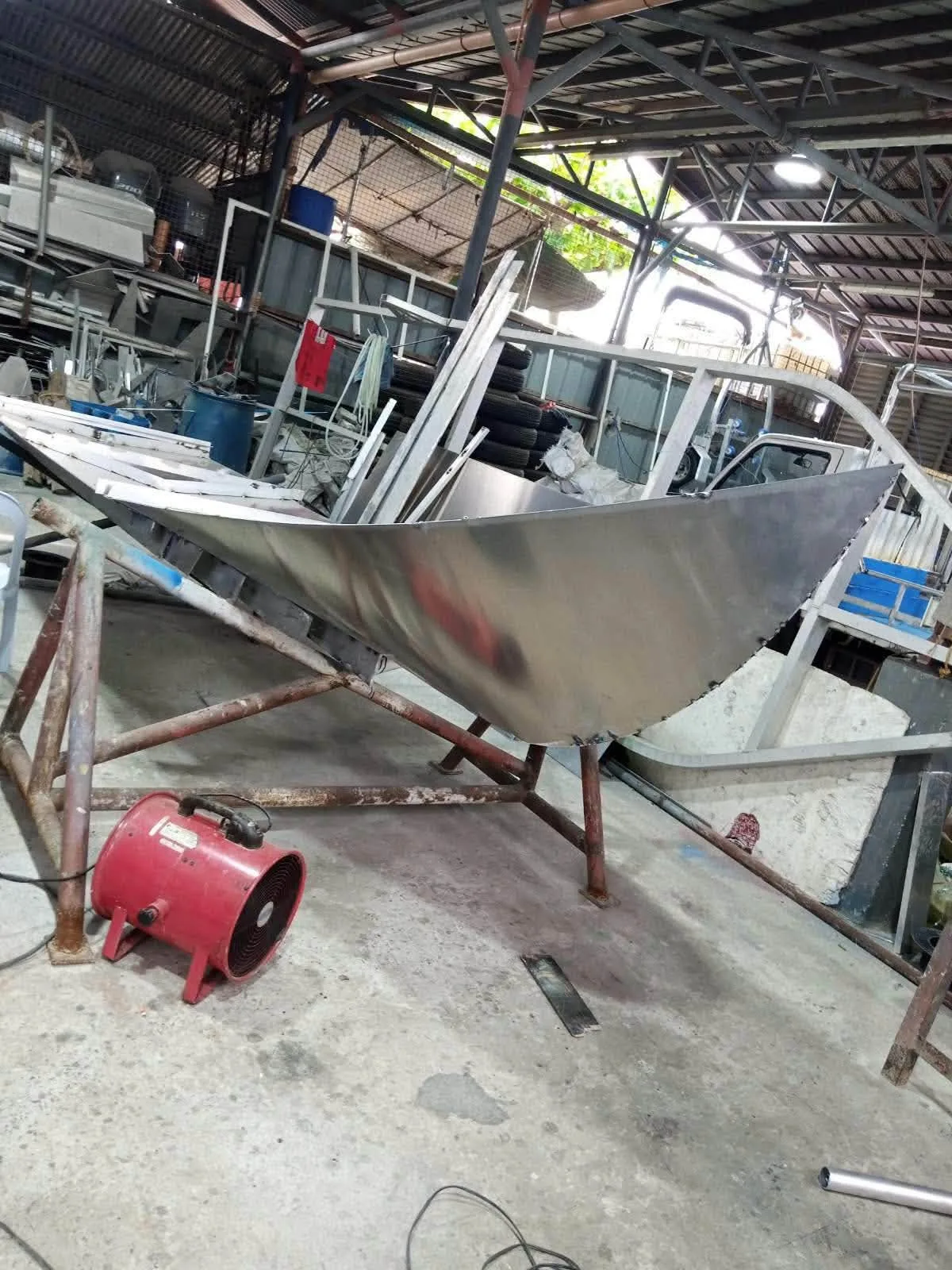
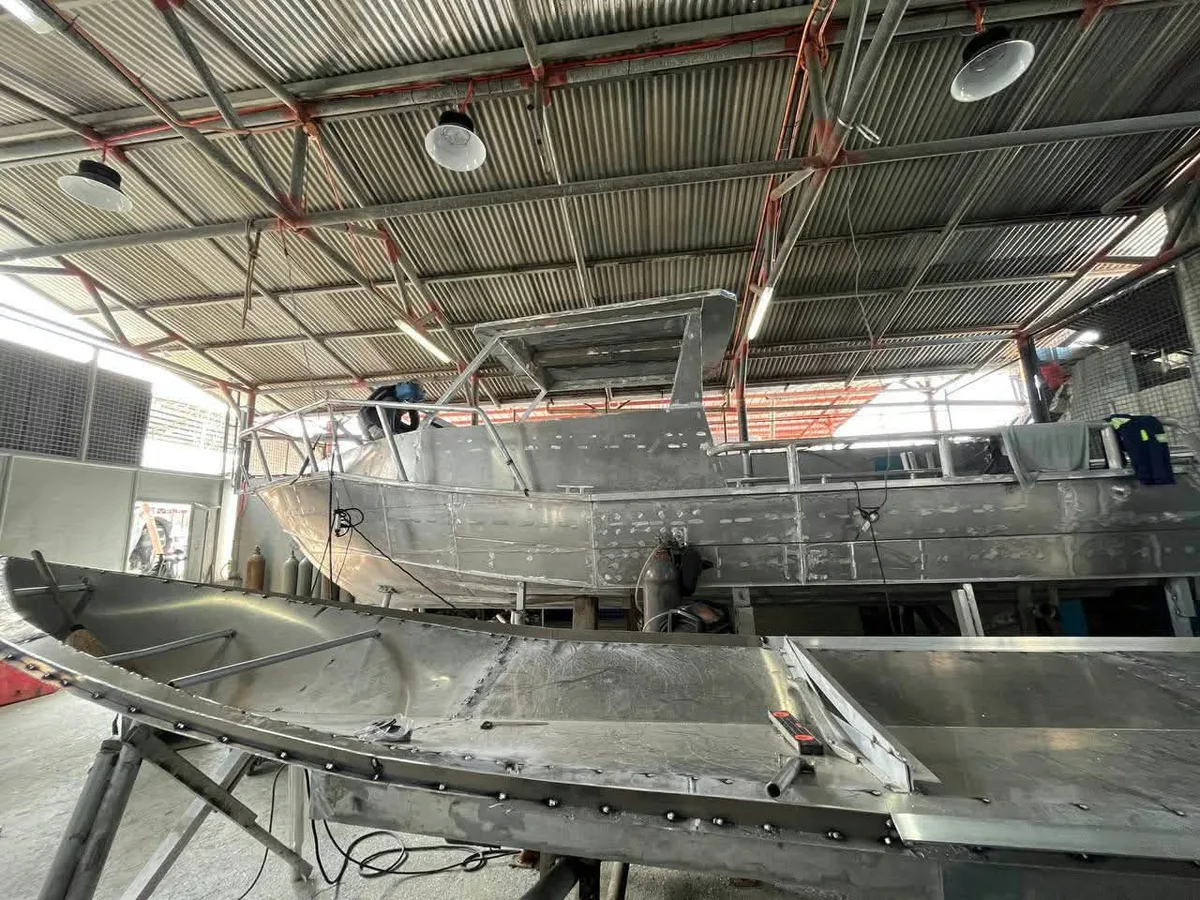
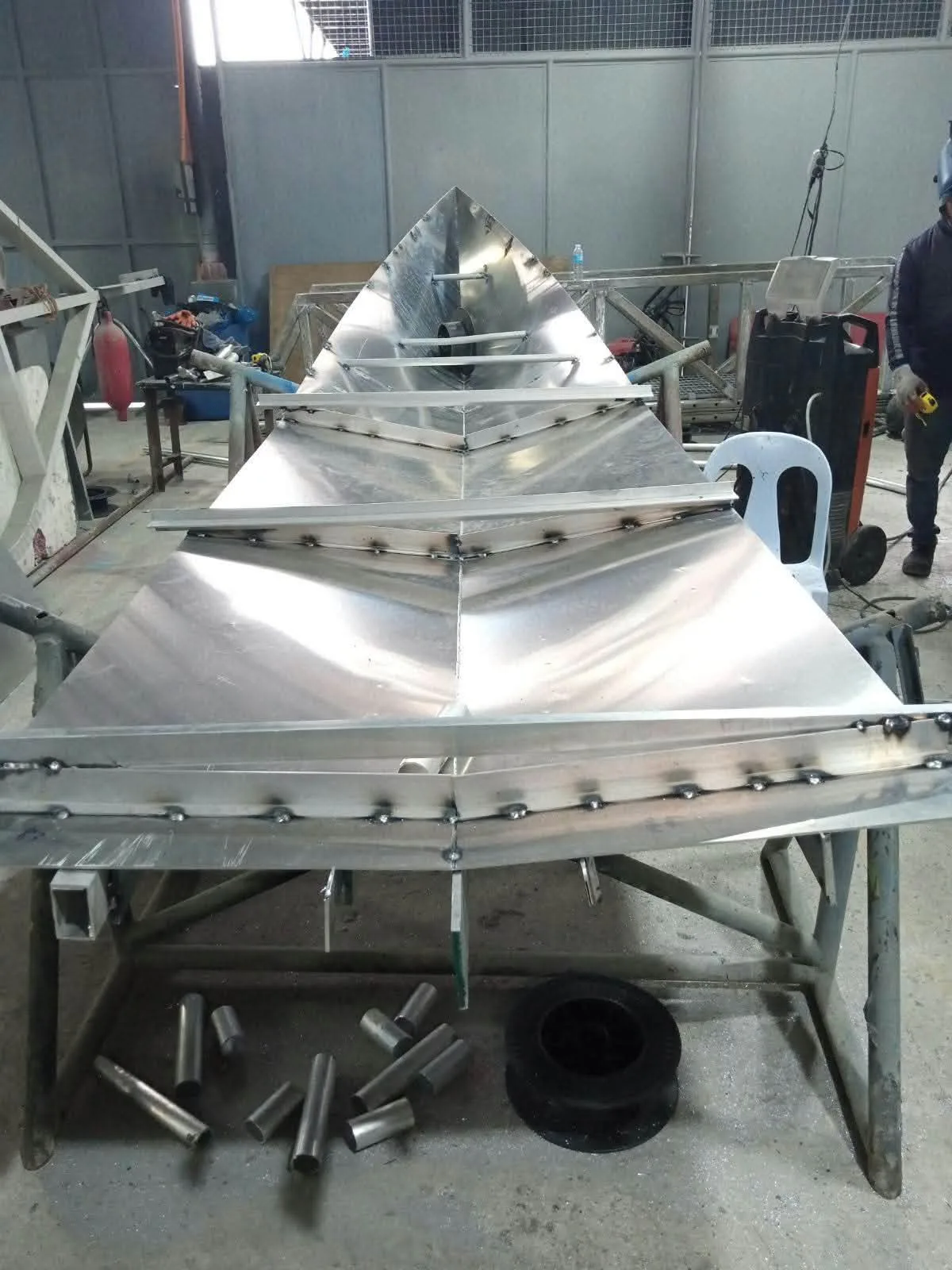
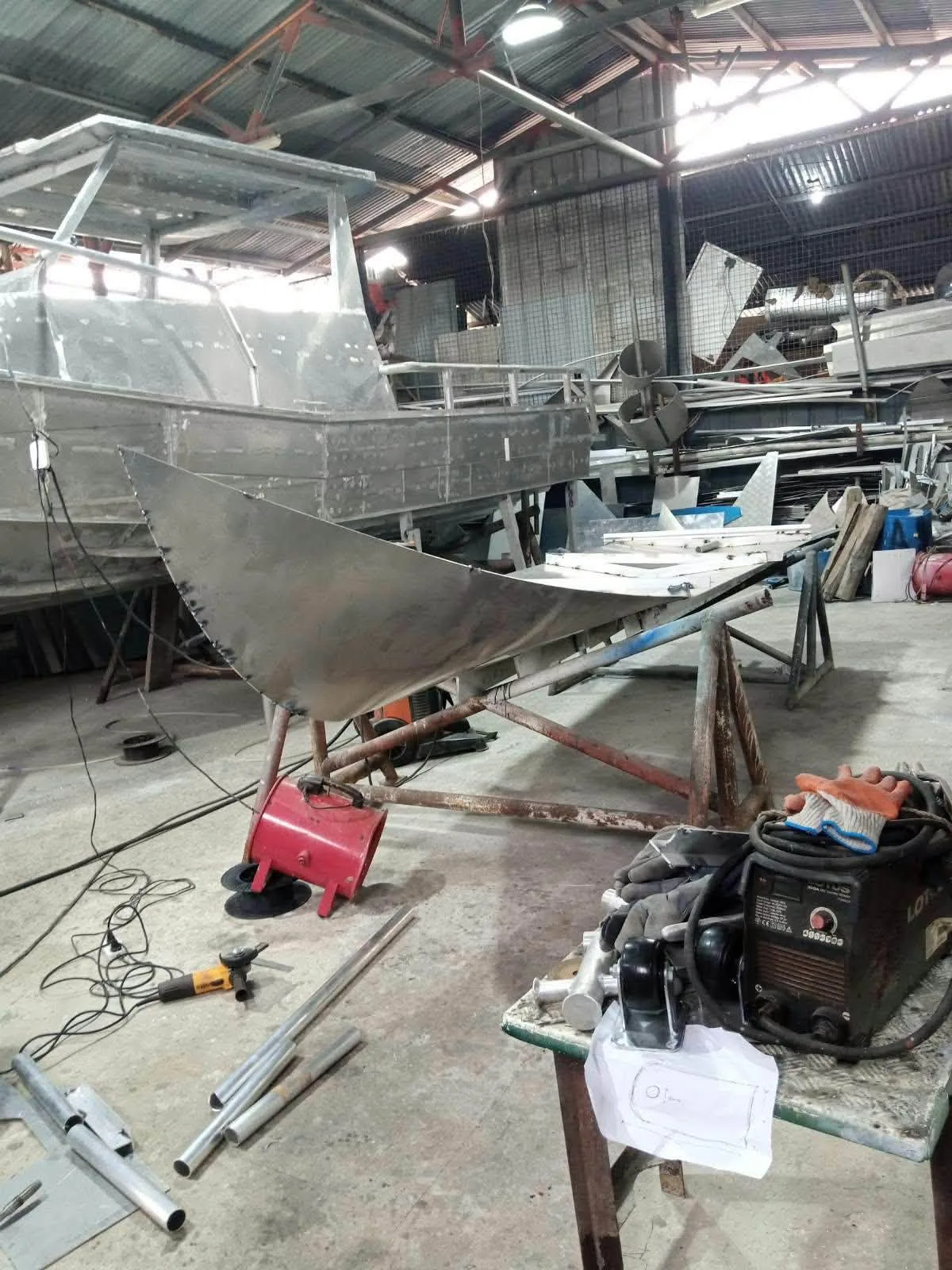
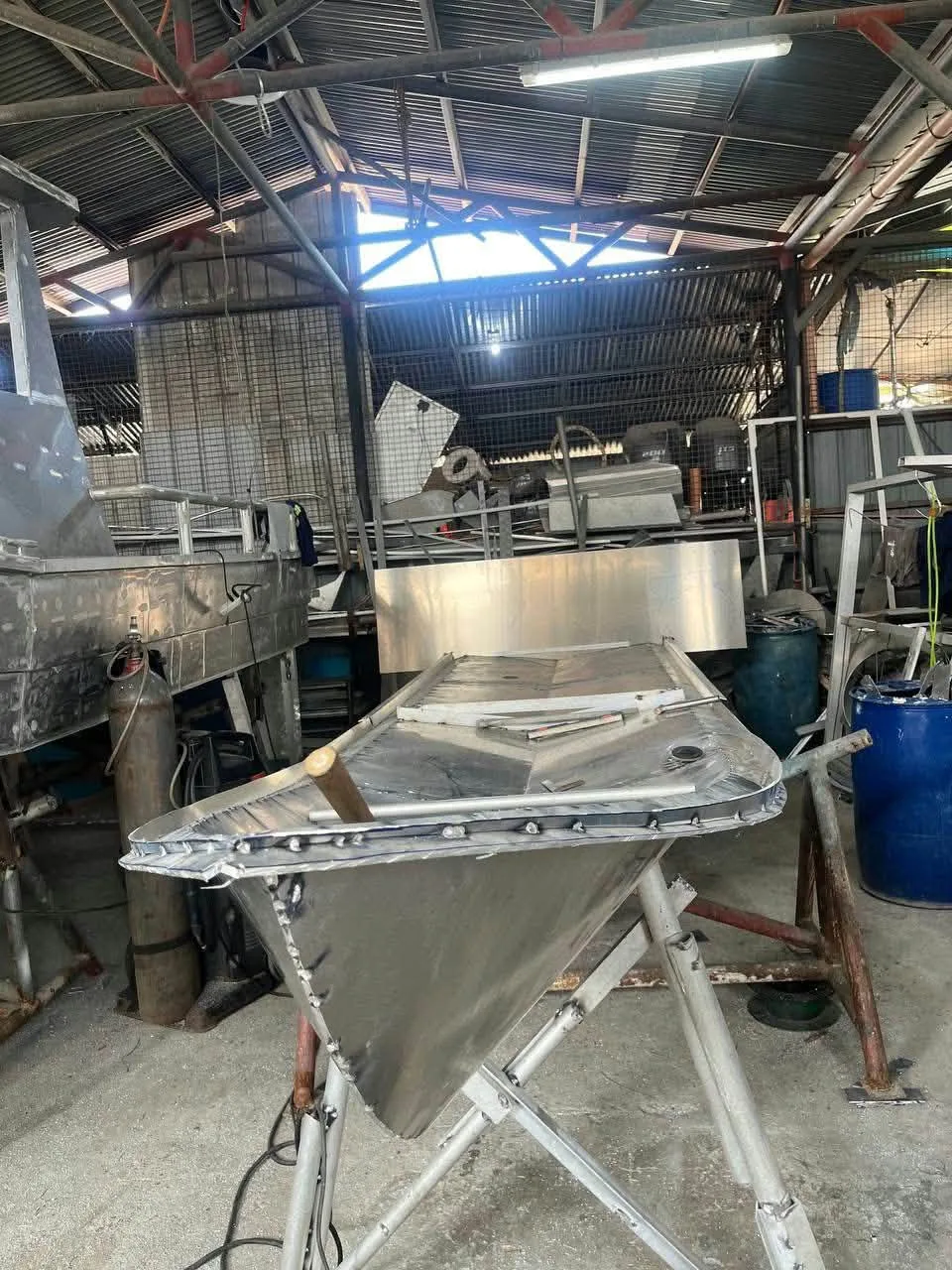
I'm in awe watching this boat being built at ALU Porter Craft in Liloan, Cebu. The welders are the best, true craftsmen. I think we'll be able to do the sea trial in about 6 weeks. The shipyard has taken great care of us from start to finish, and working with them has been a real pleasure. They've thought of everything, from putting a flush toilet inside the center console to a freshwater wash-down system to making the boat accessible for people with disabilities (PWD). I've always loved offshore fishing 🎣, and I decided to take on this challenge because I wanted it to have a bigger purpose than just doing something for my own enjoyment. My daughter is a person with a disability (PWD), and when she was little, there was a farm that gave children with disabilities horseback rides as a form of therapy. So a few months ago I made up my mind: I want to make a difference in the lives of children with disabilities and their families here in the Philippines 🇵🇭. What better way than sharing something I love? So I bought 6 Daiwa Seapower 1200 reels, so that kids can reel in almost any fish, even ones over 80 pounds, just by turning a small lever. I hope it becomes a once-in-a-lifetime experience for the children and their families. And I get to do what I love too ❤️
6 to 6.25 meters, Yamaha engine, and there's a 25 hp auxiliary engine as a backup.
Just curious, why did you go with steel instead of the cheaper fiberglass?
Definitely check the offshore fishing permit. I heard marine resources are for Filipinos only, and this is what came up 👇 Foreigners generally cannot do commercial or unlicensed fishing in Philippine waters. However, recreational rod fishing or shore fishing by tourists sits in a legal gray area, so small-scale hobby fishing is rarely enforced against, but commercial or large-scale foreign fishing is strictly illegal. What the law says • Philippine Fisheries Code (RA 8550, amended by RA 10654): Limits the use and enjoyment of Philippine fishery resources and the exclusive economic zone (EEZ) mainly to Filipino citizens. • Foreign fishing vessels (FFV): Entering and operating in Philippine waters is prohibited under BFAR FAO No. 200-1. Unauthorized entry or poaching carries administrative fines (600K to 1M dollars) and judicial fines (1.2M dollars and up), plus confiscation of gear and vessels. • Commercial and employment licenses: Under RA 8550, commercial fishing licenses, pearl gathering licenses, and fishworker permits go to qualified citizens or registered entities, not to individual foreigners who want to work or operate a commercial boat. • Traditional fishing ground exception: According to BFAR announcements, under international law and the 2016 Permanent Court of Arbitration ruling, private (non-commercial) foreign fishermen may have limited traditional fishing rights in certain historic waters such as Bajo de Masinloc, but commercial or government-owned foreign vessels remain prohibited. • Recreational and casual fishing: As discussed in Facebook fishing groups, a separate "foreigner recreational license" is rarely issued for casual rod fishing or shore fishing by tourists (since there is no license specified for individual tourists). Local enforcement also generally looks the other way for a lone hobby angler with a single rod, as long as no destructive methods are used. Permits and restrictions • No tourist fishing license: There is no standard recreational permit or license issued to let foreign tourists fish casually from a pier or the shore. • Strict prohibitions: Destructive fishing using dynamite, explosives, electricity, or poison is a serious offense under Chapter VI of RA 8550, punishable by heavy fines and imprisonment, regardless of nationality. • Protected species: Catching endangered species, dolphins (FAO No. 185), and spawning adult milkfish (sabalo) is strictly illegal for everyone.



Comments 0
Please log into write a comment.