AmbitiousConcept6028
0:00 / 0:00
ch0m5806
Damian, who makes minimum wage, is watching this insane declaration unfold: ☹️.
Damian, who makes minimum wage, is watching this insane declaration unfold: ☹️.
It's always the orange ones doing that.
Where I live, they deliver a note saying there's mail waiting for you to come pick it up… seriously.
I heard from a nurse friend at the hospital where he was taken that it wasn't an overdose, he tried to hang himself
Here's how to get a US death certificate from the Philippines: 1. Check where they passed away You need to request it from the state or US territory where the person actually died, not where they were born or previously lived. If they died in Puerto Rico: Request it from the Puerto Rico Demographic Registry. If they died in a US state (California, Florida, Texas, etc.): Request it from that state's Department of Health / Vital Statistics office. 2. Check eligibility (who can apply) US vital records are protected by privacy laws. Who can apply: Surviving children, parents, or a legal estate representative. Important: Distant relatives like nephews or nieces usually cannot apply directly without court documents or proof of legal rights. If the aunt had children, it's best for them to apply or sign an authorization form. 3. Order online (fastest method) The official and safest way to order from abroad is through VitalChek.com (the standard portal for US government vital records). You'll need: Full name, date of death, place of death, and Social Security number (if available). Requirements: A photo ID (such as a Philippine passport) and documents proving the relationship (marriage certificate, birth certificate, etc.). Payment and delivery: You can pay by credit or debit card, and there are international shipping options. 4. Alternative: Mail-in application You can download the application form from the state's Department of Health website, fill it out, attach copies of your ID and proof of relationship, and mail it along with an International Money Order. 💡 Tip: If you plan to use this death certificate for official or legal purposes in the Philippines (such as property or legal claims), ask for an Apostille to be attached to the certificate. That way, Philippine government agencies will accept it!
You're spending almost 85,000 pesos on food for two people and 130,000 on rent for a 2-bedroom house. I'm curious what exactly counts as the Southern California standard…
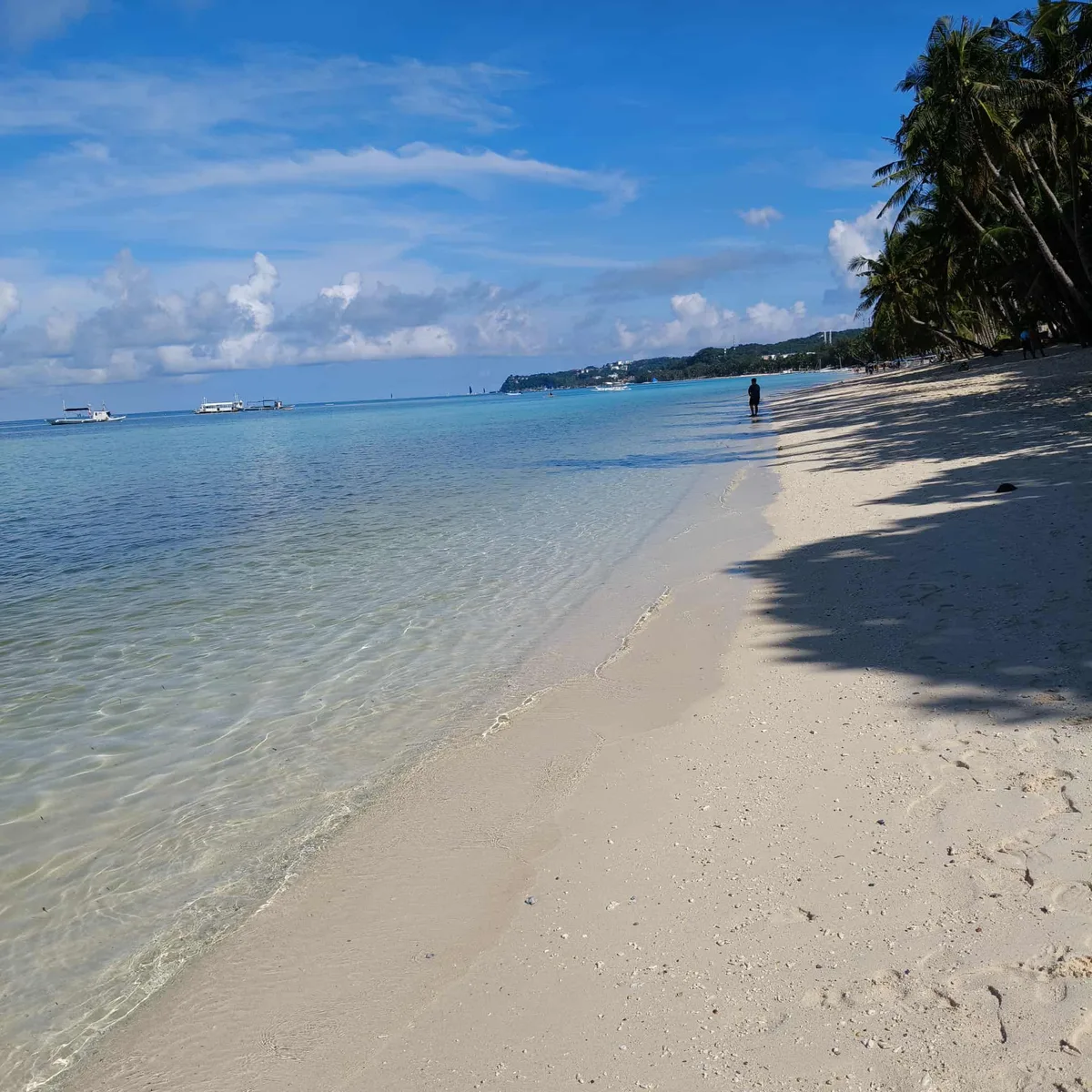
Let me add my take too. I've been here for 4 months and bought a Honda XR150 motorbike, and I really like it. It's great for beach trips, whether it's a day trip or a week-long one. (Definitely get a motorbike. You won't be stuck in one neighborhood waiting for a tricycle or taxi, and you won't have to pay every time you go somewhere. The Honda XR 150 cost $1,700, and it's a simple, sturdy workhorse of a model, so everyone here knows how to fix it and parts are easy to find.) Also, even on a tourist visa, I got a Philippine driver's license, an ACR card, and PhilHealth. PhilHealth covers 100% of ER visits and public hospital ward room charges in most cases (accidents, illnesses, etc.), except for Z benefits (like cancer). If you extend your 2-month visa without fast-track fees, it works out to about $19 a month, and PhilHealth paid quarterly is $22 a month, so visa and health insurance together come to $41 a month. Not bad. I've been learning to go to the market more and the restaurants less, so I'm saving even more. I carry copies of these documents on the motorbike: motorbike registration and purchase receipt, OR/CR, passport ID page, passport entry stamp page, most recent visa extension receipt, ACR card, Philippine driver's license, PhilHealth card, PhilHealth MDR page, and most recent PhilHealth payment receipt. The only things I have to keep updating are the most recent PhilHealth quarterly payment receipt, the MDR page, and the latest visa extension receipt page. Being smart about preparing for checkpoints, ferry rides, or a trip to the hospital after an accident, and living within your means, is a solid way to enjoy a safe, happy retirement here on a tight Social Security income.
Yesterday I was at NAIA, and I couldn't help noticing that the overpasses and elevated roadways (e.g., the NAIA Expressway, NAIAx) lack the advanced seismic base isolation devices found in modern structures like Bangkok's transport infrastructure. Bangkok uses lead-rubber bearings to separate its roads from violent ground motion. I was shocked to learn that Manila's older airport connector roads mainly rely on conventional rigid structures or ordinary rubber pads that can't absorb shocks. When you think about it, this is a huge vulnerability, since these roads sit on soft, saturated soil near Manila Bay, where liquefaction and lateral spreading are likely. For example, if a magnitude 7.2 earthquake hits along the West Valley Fault, these rigid joints could fracture or snap under strong lateral forces. On top of that, there's the historical structural threat of poor construction materials like quench-and-tempered rebar, which has weak resistance to repeated loading and can break under reversed seismic loads.
I did mine at the US Embassy in Cebu.
The problem is the lack of infrastructure. People are willing to pay more money. It's everything else that's hard to accept.
Never do it at the airport. Even if you have to, exchange at least $100 there and do the rest in the city.
This looks like a bot-written post.
A fixer is a response to the extreme inefficiency of some government offices. I call it the window syndrome. You go into the office and head to window #1. You explain your business and get a number ticket. You sit down and wait to be called. After 30 minutes you get called and go to window #2. You get the form you need to fill out. You wait until your number is called. After 30 minutes you get called and go to window #3. The staff checks your form and tells you what needs to be fixed. You go back to your seat and wait for your name to be called. After 30 minutes your name is called and you go to the cashier window. You pay the fee and get a receipt. You go back to your seat. After 30 minutes your name is called and you go to window #4. You submit the form and show the receipt. You go back to your seat. After 1 hour you go to window #5, get the final documents, and check that nothing is wrong. That's how the whole thing takes 3 hours. The alternative is this. You go to a fixer, fill out the form, and pay the express fee. You watch the official pocket their share of the express fee and go back to the office. They tell you to sit down and wait until the cashier calls your name. After 5 minutes you go to the cashier and pay the actual fee. You sit down and wait for your name to be called. After 10 minutes you go to window #5 and get your processed documents. It takes about 20 minutes in total.

Took 15 minutes.
Okay, that's a wake-up call I could get behind, as long as it's guaranteed!
Cat owners: Yep, that's right
Ugh. Is it just me? 😂😭
Oct
22
Oct
22
Oct
23