I wanted to share how I troubleshot my solar setup as it nears the two-year mark, in case anyone in the group runs into something similar.
First of all, if you're planning to go solar and you're not an expert who can DIY everything, don't just go with the cheapest quote. There are plenty of installers who compete purely on rock-bottom prices, don't have the technical chops to solve complex problems, and vanish completely once the install is done.
My installer was about 10–20% more expensive than the cheapest quotes I found, but across five purchases over the last two years, he's kept earning that premium.
During my first year, he drove up from Manila to Baguio the very next day to deal with an urgent problem.
He answers my questions and messages reliably, even on Sundays.
He honestly talked me out of certain upgrades he didn't think were worth the money.
He solved every complex technical request I threw at him: charging our solar batteries with V2L from my EV, wiring the whole house to critical loads for convenience, and even pooling net-metering credits.
Even though he does huge 1.97MW installations for universities and military bases, he's never treated residential clients like small fry.
Here's the problem we just solved.
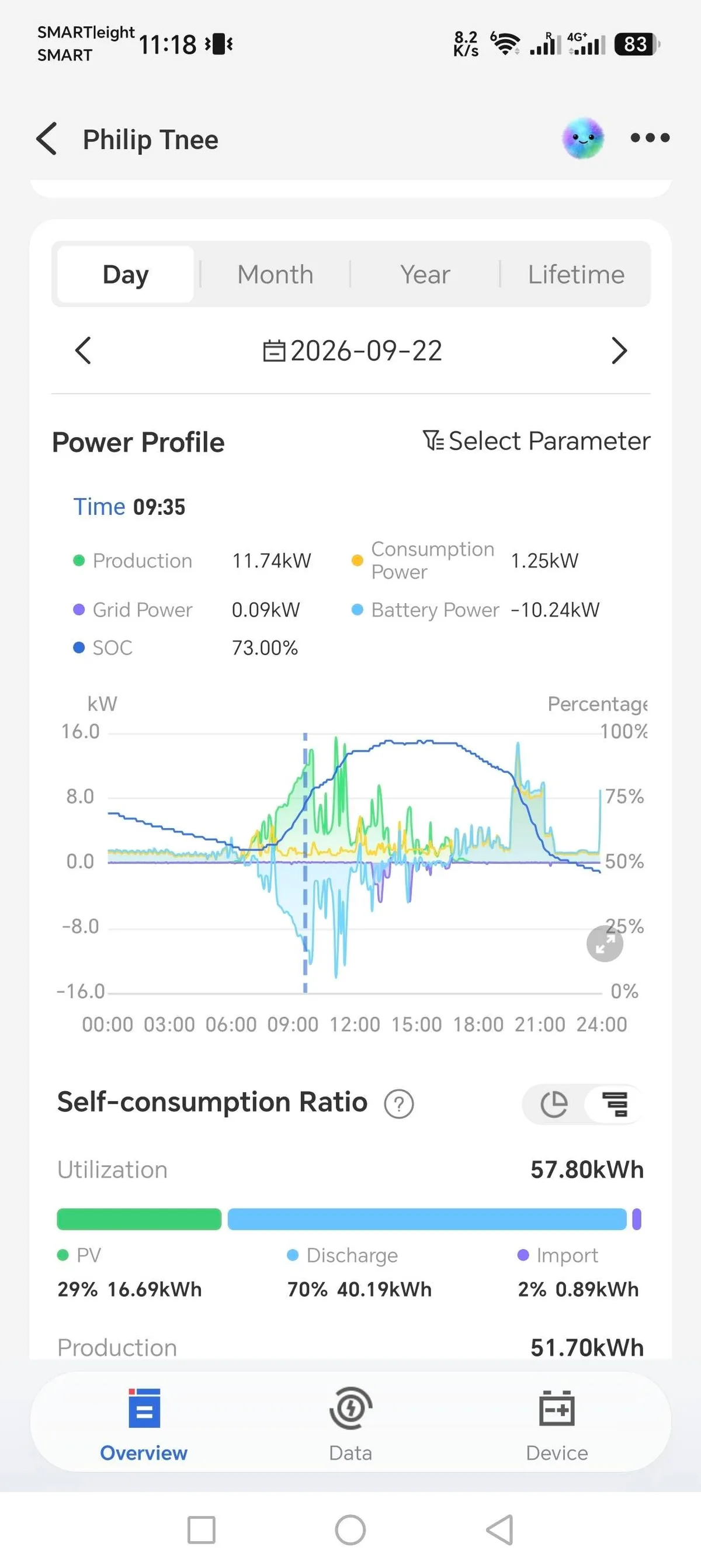
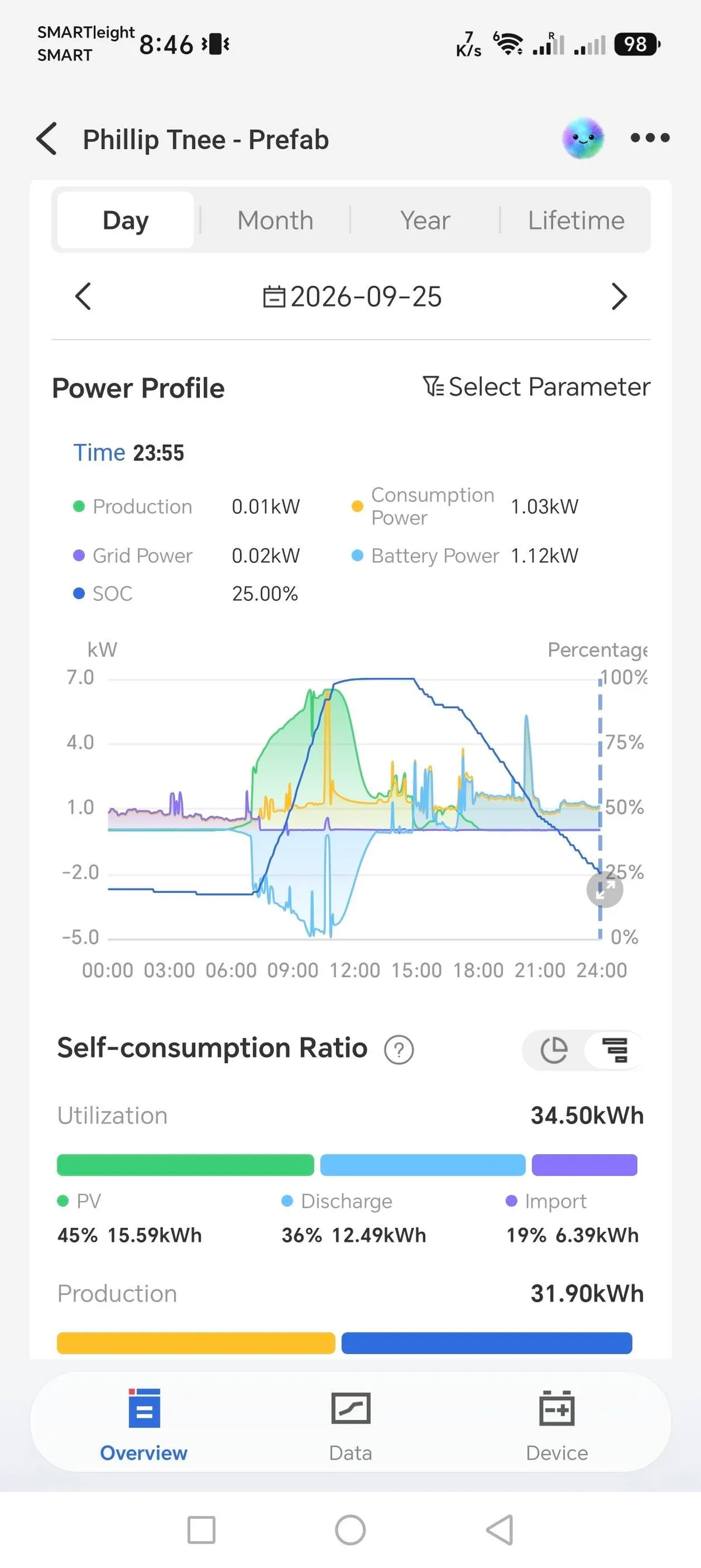
A little under two weeks ago, after installing my second solar setup, I noticed a glitch on the Deye app's summary screen. The main house runs two 8kW inverters in parallel, but the summary only showed output from one of them. Oddly, when I went straight into the device view, both were producing.
Digging deeper, I found that one inverter's internal time zone kept resetting to UTC -05:00 instead of our local UTC +08:00.
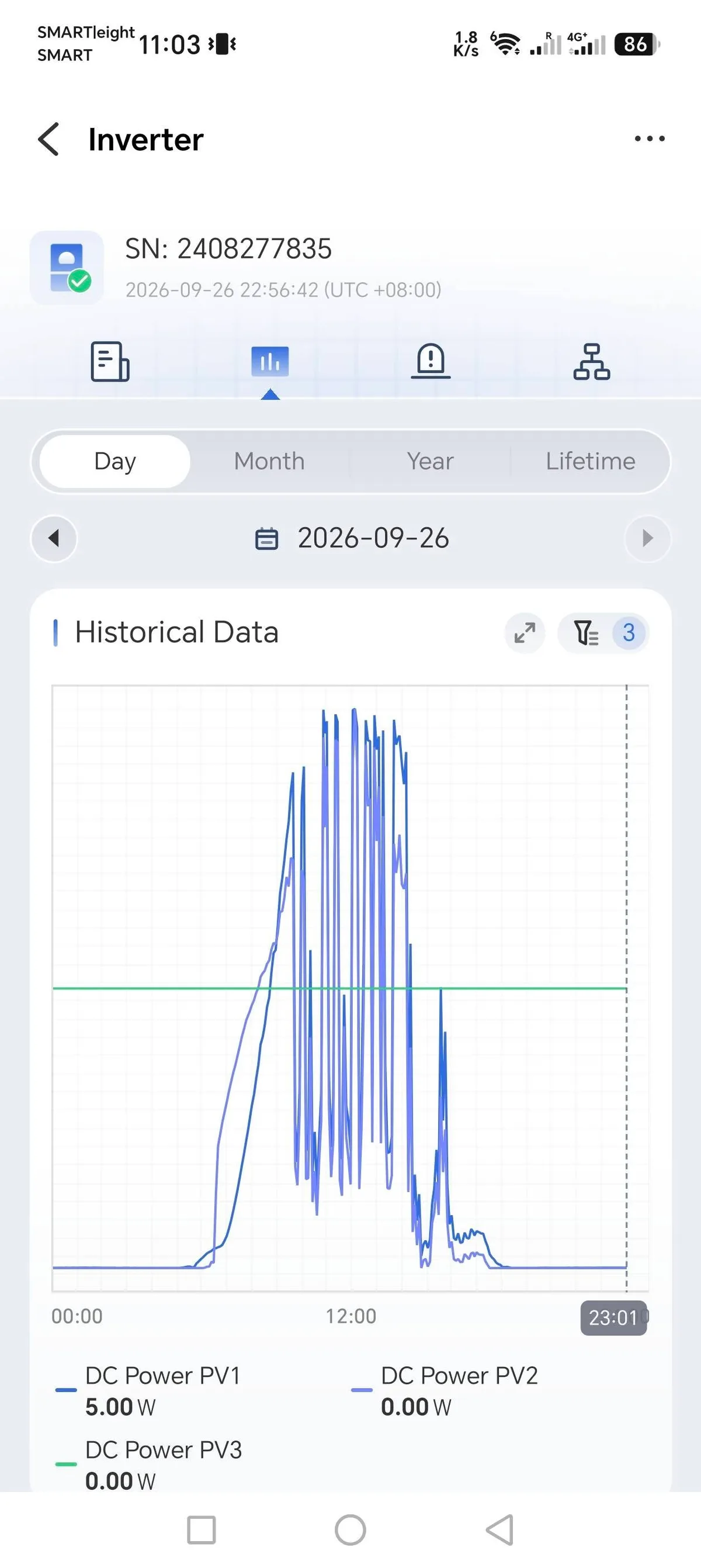
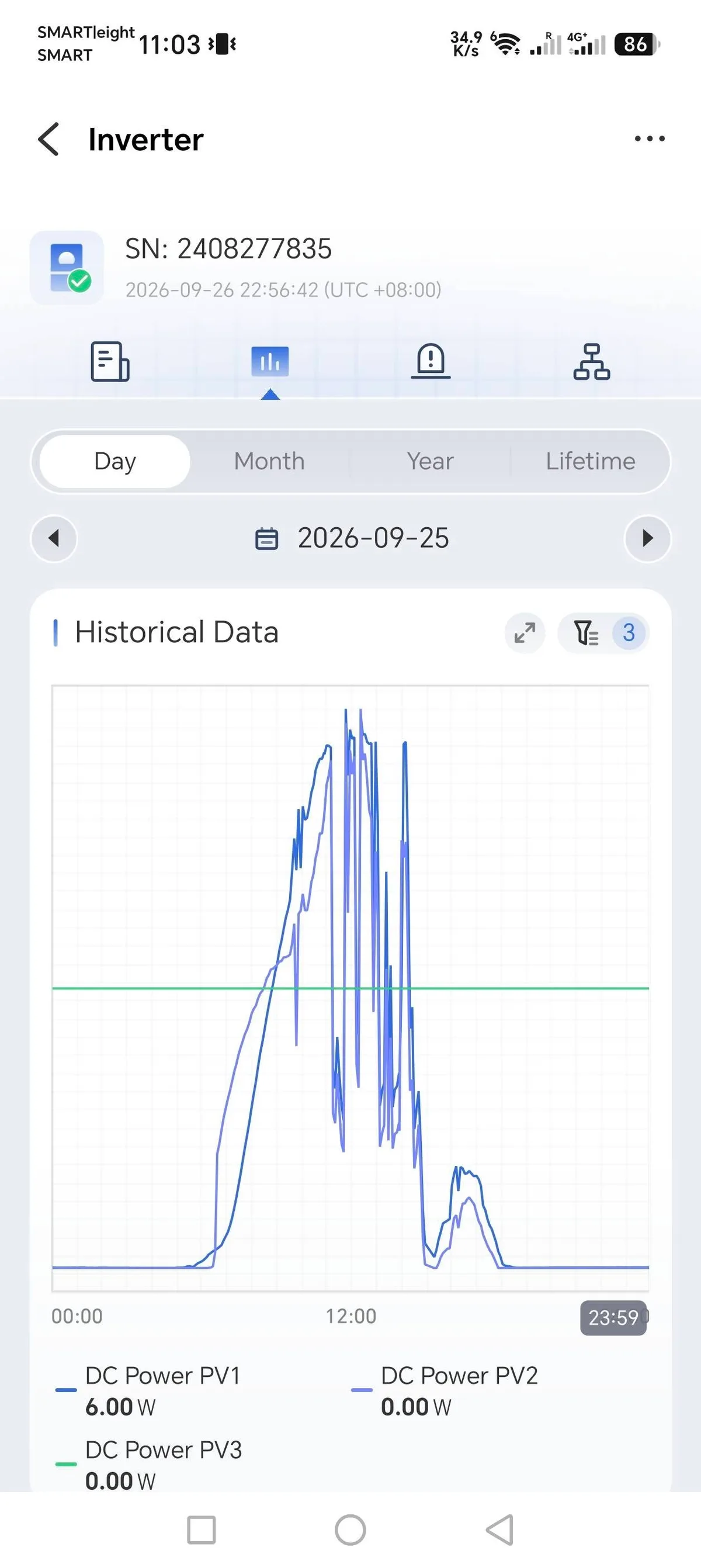
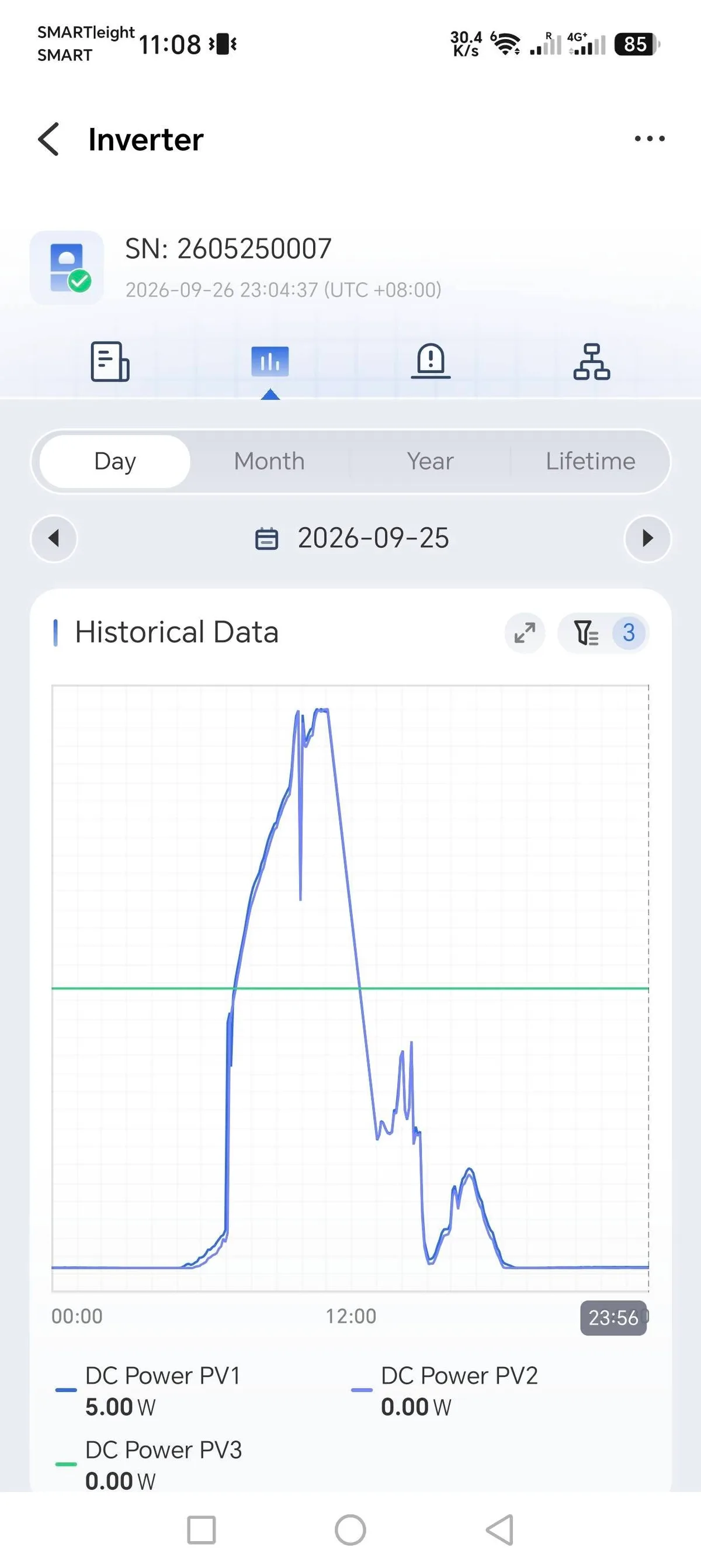
My installer pushed a remote firmware update to fix the sync, but that created a new headache: the inverter started heavily throttling output in peak sunlight. I knew for sure it wasn't the weather or clouds, because my second setup, barely 100 meters away, was logging a clean production curve while this unit spiked and dropped erratically right at midday.
Looking into it further, we found that the two parallel units were on different firmware versions, which clashed at the software level and made the system throttle production.
After another firmware reinstall to properly match both units, the next day's curve went right back to a smooth, unbroken bell shape.
The time zone still acted up now and then, which we traced to the logger falling out of sync and resetting every night. My installer gathered all the diagnostic data and filed a warranty claim directly with Deye, putting the five-year warranty to good use.
If you're getting into solar without deep technical knowledge, remember that choosing an installer is like a marriage. Pick someone who's in it for the long haul, not a one-night stand.
Above all, I prayed about this, and thanks to God, full production is back.
“I prayed, and God restored what was broken.” — Joel 2:25