
カガヤン・バレーのカガヤノの文化と言語がよみがえり、復興してほしいです
スペイン人が1571〜1572年にルソンに入ったとき、カガヤン・バレーを服属させるのに苦労しました。Relacion de Las Islas Filipinas、Sucesos de Las Islas Filipinasなどの初期のスペイン記録によると、カガヤン・バレーの住民はスペイン人がこの諸島で出会った最も勇猛で荒々しい戦士たちで、カガヤノたちは人口が密集し防御施設を備えた村に住んでいました。
1591年の貢税人口調査(Tribute Census)の際、カガヤン・バレーは諸島全体で最も人口の多い地域のひとつで、97,000人でした。イロコス地方の68,000人、中部ルソン平野の75,000人、中部ビサヤ/北部ミンダナオの66,000人よりはるかに多いです。1591年の貢税集計のときも、スペインの行政官たちはカガヤノたちがカスティーリャ当局にあからさまに反乱を起こしていると記録しました。カガヤン・バレーがスペインに完全に平定されたのは17世紀初め、1620年代ごろです。
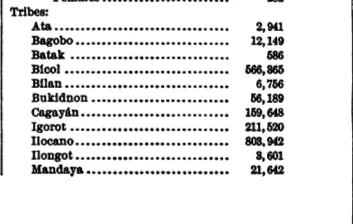
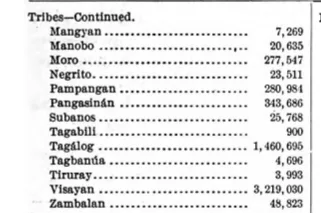
カガヤノの人口が1591年から現代まで、フィリピンの他の民族言語集団ほど増えなかったのは残念な事実です。1903年にアメリカの植民地政府が調べた、諸島内の民族集団別の人口集計を添付しましたが、カガヤン・バレーの先住民人口は159,648人しかいません。97,000から159,648とは、数百年もの間、本当にわずかしか増えていませんよね。比べると、イロカノの人口は1591年の68,000人から1903年には803,942人に増え、今は約900万〜1,000万人です。
イバナグ、イタウィット、ガッダンの人々の祖先に何があったのかは、本当にミステリーです。他の民族集団に比べて、人口が数百年も停滞していたのですから。今のカガヤン・バレーの人口の大多数は、1920〜30年代により良い暮らしと耕す土地を求めてカガヤン・バレーに移住したイロカノ移民の子孫です。2020年のPSA人口調査によると、カガヤン・バレーの人口の61.81%がイロカノ民族で、残りの大部分は先住民カガヤノであるイバナグ、イタウィット、ガッダンです。
カガヤン・バレーの先住民の文化と言語がよみがえり、復興することを心から願っています。
フィリピン 1591年貢税人口調査
http://philhist.pbworks.com/w/page/16367055/ThePhilippineIslands#VolumeVII15881591
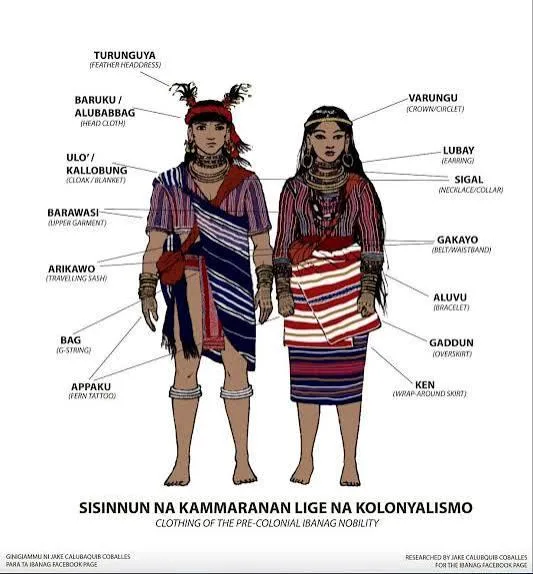
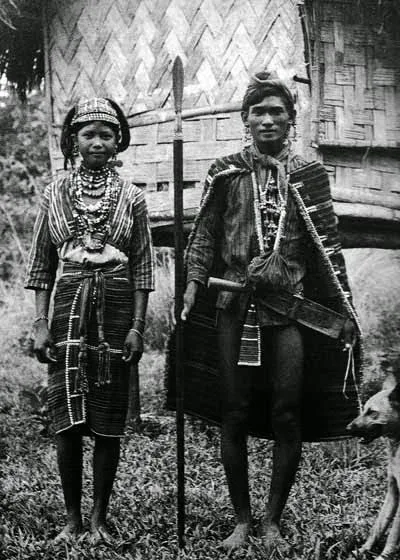
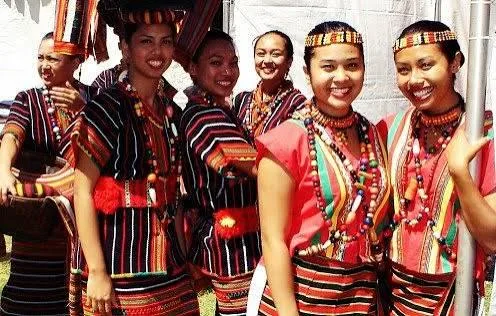
写真の説明:
イバナグの人々の伝統衣装 (1)、ガッダンの人々の伝統衣装 (2)、伝統衣装を着たイタウィットの女性たち (3)
>It's really a mystery what happened to the ancestors of the Ibanags, Itawits and Gaddangs, but their populations somewhat stagnated over the centuries compared to other ethnic groups. I reckon many simply shifted to Ilocano identity. The moment they stop passing down their language and culture to the next generation, that's when their old identity dies. Sure, there are Ibanags and Itawis that continued to pass down their language and culture, but they're fewer. We're kind of seeing it now with Lumads and natives of Palawan, both are gradually becoming more Cebuano/Bisaya and Tagalog, respectively. Once they stop speaking their languages and practicing their native culture, they're no longer distinguishable from the dominant ethnic group.
Please include the philosophy or religion, worldview, etiquette, norms, and practices, hindi lang mga pananamit.
The Ilocanos were a lowland group, and were therefore acculturated into Hispano-Filipino culture earlier. The Ilocos Region being full of colonial architecture and haciendas is a testament to this. By contrast, earnest settlement of the Cagayan Valley only started in the 1700s. Instead of resettling local populations into centralised settlements, the Spanish favored settlement of the Cagayan Valley by Ilocano landlords and their dependents. At the same time, Cagayan Valley IPs were forced into marginal land (e.g., hillsides and mountainsides). Ethnic identity is a modern concept, and ethnic identity may be fluid. Children in mixed marriages might have identified as being primarily or solely Ilocano, due to both language shift, the social and economic clout of Ilocanos, and the association of Ilocano identity with Catholicism and Cagayan Valley IP identity with non-Christian folk religions. Ilocano and many of the Cagayan Valley languages also belong to the North Philippine language group, so linguistic proximity facilitated language shift. TLDR; it’s not simply the population of Cagayan Valley IPs stagnated, but more rather, they were assimilated into the incoming Ilocano population.


コメント 0
コメントを書くには ログインが必要です。